Fire Alarm Manual Station: A Comprehensive Guide
This guide details manual pull stations‚ crucial for fire safety‚ offering a first line of defense alongside automated systems.

Manual pull stations‚ often called pull switches‚ represent a fundamental component of comprehensive fire alarm systems. These devices empower individuals to initiate a fire alarm response directly‚ supplementing the capabilities of automated detection systems like smoke detectors. While modern fire suppression often prioritizes automated responses for speed and efficiency‚ human observation remains invaluable – sometimes reacting faster than technology.
Pull stations are strategically placed throughout buildings‚ providing readily accessible points for manual activation. Typically featuring a distinctive T-bar handle‚ they require a deliberate action to operate‚ ensuring accidental activations are minimized. Understanding their function and location is vital for building occupants‚ contributing significantly to overall fire safety preparedness and a swift‚ effective response in emergency situations.
The Role of Manual Stations in Fire Safety
Manual pull stations serve as a critical first line of defense in fire protection‚ complementing automatic detection systems. They bridge the gap where human observation identifies a fire before automatic detectors activate‚ enabling a quicker alarm initiation. This is particularly important in situations where a fire’s initial stages might not immediately trigger smoke or heat sensors.
Their presence ensures that anyone within a building can promptly alert others to a potential fire‚ regardless of the system’s automated capabilities. Required by building codes (like IBC Section 907‚ based on building Use Group)‚ pull stations provide a reliable‚ manual override‚ enhancing overall fire safety and facilitating a rapid evacuation. They empower occupants to take immediate action‚ potentially saving lives and minimizing property damage.
Types of Manual Pull Stations
Manual pull stations primarily fall into two categories: single-action and dual-action. Single-action pull stations are the simpler design‚ requiring only a downward pull on the handle – often a T-bar – to activate the alarm. This immediate activation is beneficial for quick response but can be prone to accidental pulls.
Dual-action pull stations‚ conversely‚ require a two-step process‚ like lifting a cover then pulling the handle. This design significantly reduces the risk of false alarms‚ demanding deliberate action. Both types effectively initiate the fire alarm system‚ but the choice depends on the specific needs and risk assessment of the building‚ balancing speed of activation with minimizing unintentional alerts.
Single Action Pull Stations
Single-action pull stations represent the most straightforward method for manually activating a fire alarm system. Operation involves a single‚ decisive action – typically a firm downward pull on the clearly marked handle‚ frequently designed in a T-shape for easy grip. This simplicity ensures rapid activation in emergency situations‚ allowing anyone to quickly alert building occupants and initiate evacuation procedures.
However‚ this ease of use also presents a drawback: increased susceptibility to accidental activation. Due to the minimal effort required‚ unintentional bumps or playful actions can trigger a false alarm. Therefore‚ careful consideration of the environment and potential for misuse is crucial when selecting single-action stations.
Dual Action Pull Stations
Dual-action pull stations are engineered to minimize false alarms by requiring a two-step activation process. Typically‚ this involves initially breaking a glass cover or lifting a protective flap‚ then activating the pull handle. This deliberate sequence significantly reduces the likelihood of accidental activation from casual contact or unintentional bumps‚ making them ideal for high-traffic areas or environments prone to false triggers.

While offering enhanced reliability‚ dual-action stations may require slightly more time and effort to operate compared to single-action models. However‚ the added security against false alarms generally outweighs this minor inconvenience‚ particularly in critical applications where minimizing disruptions is paramount.
How Manual Pull Stations Work
Manual pull stations function as a direct means of initiating a fire alarm system through human intervention. When activated – by pulling down a handle‚ breaking glass‚ or a dual-action sequence – the station mechanically triggers a switch closure. This closure sends a signal to the fire alarm control panel‚ immediately alerting the system to a potential fire emergency.
The control panel‚ upon receiving this signal‚ activates the building’s audible and visual alarms‚ notifying occupants and potentially contacting emergency services. Unlike automatic detection systems relying on sensors‚ pull stations depend on someone observing a fire and manually initiating the alarm‚ offering a crucial backup and immediate response capability.
Components of a Typical Pull Station
A standard manual pull station comprises several key components working in unison. The most visible is the actuating element – often a T-bar handle or break-glass mechanism – designed for easy‚ yet deliberate‚ activation. Beneath this lies the switch‚ a crucial component that closes the circuit when the actuating element is engaged‚ signaling the fire alarm control panel.
A durable housing protects these internal parts from damage and environmental factors. Many stations include a reset mechanism to restore the station to its normal state after activation. Furthermore‚ some models feature a transparent cover or protective shield‚ and clear labeling for easy identification and use during emergencies.
Installation Requirements & Codes (IBC Section 907)
The International Building Code (IBC)‚ specifically Section 907‚ dictates fire alarm requirements‚ including manual pull stations. Building classification – its Use Group – determines whether a manual system (pull stations) or automatic system (smoke detectors) is mandated. Proper installation is paramount; stations must be readily accessible and unobstructed‚ mounted at a consistent height (typically 42-48 inches).
Wiring must adhere to local electrical codes‚ ensuring a reliable connection to the fire alarm control panel. The IBC also specifies requirements for supervision‚ meaning the system must continuously monitor the integrity of the wiring and pull station functionality. Compliance with these codes is crucial for life safety and legal adherence.
Placement and Spacing of Pull Stations
Strategic placement of manual pull stations is vital for effective fire alarm activation. Stations should be located along normal paths of egress‚ ensuring visibility and accessibility. The IBC dictates maximum spacing requirements‚ generally not exceeding 200 feet‚ to guarantee a station is within reasonable reach.
Consideration must be given to building layout; stations are required at every exit door and near elevators. High-traffic areas and locations with potential obstructions necessitate increased density. Proper placement facilitates swift activation‚ enabling prompt notification and evacuation‚ ultimately enhancing overall fire safety within the facility.
Accessibility Considerations for Pull Stations
Ensuring accessibility of manual pull stations is paramount for inclusivity and safety. Stations must comply with the Americans with Disabilities Act (ADA) guidelines‚ requiring a mounting height no more than 48 inches from the floor‚ with clear floor space for approach.
Tactile signage and contrasting colors aid visually impaired individuals. Activation force should be minimal‚ accommodating those with limited strength. Consideration for wheelchair users is crucial‚ avoiding obstructions and ensuring reachability. Prioritizing accessibility guarantees everyone can effectively initiate a fire alarm‚ contributing to a safer environment for all building occupants‚ regardless of physical ability.
Maintenance and Inspection of Pull Stations
Regular maintenance and inspection are vital for ensuring pull station reliability. Regular visual inspections should confirm stations are unobstructed‚ undamaged‚ and clearly visible‚ with intact instructions; Dust accumulation and physical impairments must be addressed promptly.

Functional testing procedures‚ conducted semi-annually or annually‚ involve activating each station to verify proper signal transmission to the fire alarm control panel. Records of all inspections and tests should be meticulously maintained. Addressing any deficiencies immediately is crucial for maintaining a dependable fire safety system‚ protecting lives and property through consistent operational readiness.
Regular Visual Inspections
Regular visual inspections are a cornerstone of pull station maintenance‚ performed frequently – ideally monthly. These inspections focus on the physical condition of the station‚ ensuring it remains unobstructed by furniture‚ decorations‚ or storage. Verify the visibility of the station and that all instructional signage is present and legible.
Inspect for any physical damage‚ such as broken handles‚ cracked housings‚ or missing components. Confirm the station is securely mounted and hasn’t been tampered with. Documenting these observations is crucial; any deficiencies identified must be addressed immediately to maintain the system’s reliability and ensure prompt response during an emergency.
Functional Testing Procedures
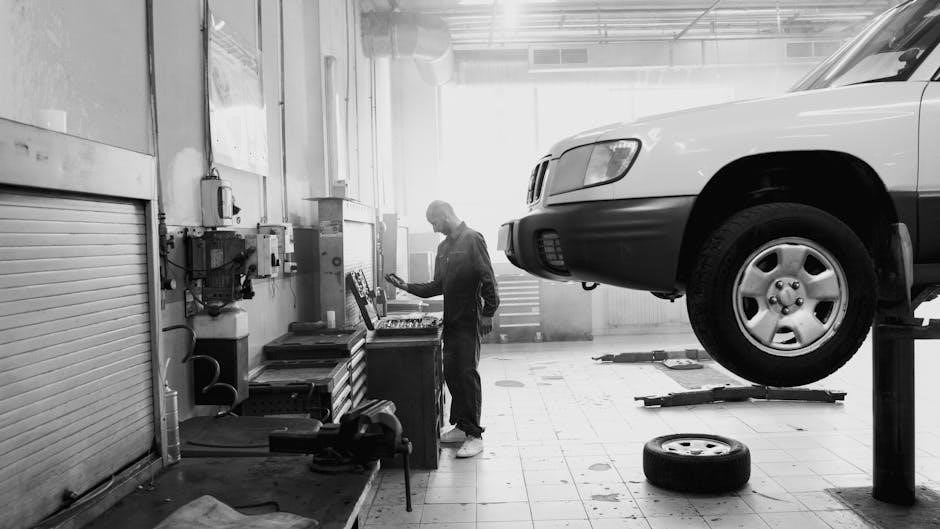
Functional testing of manual pull stations should occur at least annually‚ and often semi-annually‚ as dictated by local codes and NFPA standards. Before initiating a test‚ always notify the fire alarm monitoring company and building occupants to prevent unnecessary dispatches. Activate each pull station individually‚ observing the system’s response – verifying a clear and distinct alarm signal is transmitted to the monitoring center.
Document the time of activation and the response received. After each test‚ reset the system and confirm normal operation. Any station failing to activate the alarm or exhibiting delayed response requires immediate repair or replacement. Thorough documentation of all testing activities is essential for compliance and historical tracking.
Troubleshooting Common Pull Station Issues
Common issues with manual pull stations include physical damage‚ obstructed access‚ and wiring faults. Regularly inspect for broken handles‚ missing protective covers‚ or obstructions like paint or debris hindering operation. A frequent problem involves wiring connections becoming loose or corroded‚ preventing signal transmission. If a station fails during testing‚ first check the wiring at the device and the fire alarm control panel.
False alarms can sometimes be traced to faulty stations. Addressable pull stations can pinpoint the exact location of the issue. If problems persist‚ consult a qualified fire alarm technician for diagnosis and repair‚ ensuring the system’s reliability and adherence to safety standards.
Understanding False Alarms and Prevention
False alarms originating from manual pull stations disrupt operations and erode confidence in the fire safety system. Common causes include accidental activation – often due to bumping or misuse – and deliberate malicious pulls. Prevention strategies are crucial. Implement clear signage indicating proper use and the penalties for misuse. Regular training for building occupants emphasizes responsible interaction with pull stations.
Consider installing dual-action pull stations‚ requiring two distinct actions to activate‚ reducing accidental triggers. Addressable systems pinpoint the source‚ minimizing investigation time. Consistent maintenance and prompt repair of faulty stations are vital to prevent unintended activations and maintain system integrity.

The Importance of Training for Pull Station Use
Effective training is paramount for ensuring occupants know when and how to properly operate manual pull stations. Training should clearly demonstrate the station’s location‚ operation (single or dual-action)‚ and the immediate actions following activation – evacuation procedures and reporting to designated personnel. Emphasize that pull stations are for genuine fire emergencies‚ not drills or false alarms‚ highlighting the consequences of misuse.
Regular refresher courses reinforce knowledge and address any changes in procedures. Training should be tailored to different occupant groups‚ including employees‚ visitors‚ and those with disabilities. A well-trained populace contributes significantly to a swift and orderly response‚ potentially minimizing damage and saving lives during a real fire event.
Pull Stations vs. Automatic Detection Systems
While automated fire alarm systems‚ like smoke detectors‚ offer rapid‚ independent response‚ manual pull stations provide a crucial human element. Automated systems excel at early detection‚ particularly in unoccupied areas‚ but rely on sensors functioning correctly. Pull stations offer a direct activation method when a fire is visually confirmed‚ potentially operating faster than automated systems in certain scenarios.
They serve as a vital backup‚ especially when automatic detection is compromised or delayed. A comprehensive fire safety strategy utilizes both systems – automatic detection for early warning and manual stations for immediate activation by informed occupants. This layered approach maximizes safety and responsiveness.
Advanced Pull Station Features
Modern pull stations are evolving beyond simple mechanical operation. Addressable pull stations offer pinpoint accuracy‚ identifying the exact location of activation to the fire alarm control panel‚ speeding up response times for emergency services. This contrasts with conventional systems that only indicate a zone.
Wireless pull station technology provides flexibility in installation‚ particularly in historic buildings or areas where wiring is difficult or costly. These systems utilize secure wireless communication to transmit activation signals. These advancements enhance reliability and integration with sophisticated fire alarm systems‚ offering improved monitoring and control capabilities.
Addressable Pull Stations
Addressable pull stations represent a significant leap in fire alarm technology‚ offering precise identification of activation location. Unlike conventional systems that only signal a zone‚ addressable stations communicate a unique address to the fire alarm control panel‚ pinpointing the exact device triggered. This granular detail dramatically reduces search time for emergency responders‚ potentially saving lives and minimizing property damage.
Each station contains a built-in address programmed during system commissioning. This allows for detailed reporting and facilitates faster‚ more targeted responses. They also often include advanced diagnostic capabilities‚ simplifying maintenance and troubleshooting.
Wireless Pull Station Technology
Wireless pull stations offer a compelling alternative to traditional wired systems‚ particularly in retrofit applications or buildings where running cable is challenging or cost-prohibitive. These devices utilize secure radio frequency (RF) communication to transmit alarm signals to the fire alarm control panel‚ eliminating the need for extensive wiring. This simplifies installation and reduces disruption during building upgrades.
Battery-powered and regularly supervised‚ wireless pull stations ensure reliable operation. Advanced encryption protocols protect against unauthorized signals and interference. They are ideal for historic buildings‚ temporary structures‚ or areas with architectural limitations‚ providing a flexible and effective fire safety solution.

Compliance Standards and Regulations
Fire alarm systems‚ including manual pull stations‚ are subject to stringent compliance standards to ensure life safety. The International Building Code (IBC)‚ specifically Section 907‚ dictates requirements based on building classification and use group‚ determining whether manual pull stations or automatic detection systems are necessary.
National Fire Protection Association (NFPA) standards‚ particularly NFPA 72‚ provide detailed guidelines for installation‚ testing‚ and maintenance. Local authorities having jurisdiction (AHJs) may also have additional requirements. Adherence to these regulations is crucial for legal compliance and‚ most importantly‚ for protecting building occupants. Regular inspections and adherence to codes are paramount.
Choosing the Right Pull Station for Your Needs
Selecting the appropriate manual pull station involves considering several factors to optimize fire safety within a specific environment. Determine if a single-action or dual-action station is best suited; single-action offers immediate activation‚ while dual-action reduces false alarms.
Evaluate the building’s occupancy type and potential hazards. Consider addressable or wireless options for enhanced functionality and integration with modern fire alarm systems. Ensure the chosen station meets all relevant compliance standards (IBC‚ NFPA 72). Prioritize durability‚ visibility‚ and ease of use for all occupants. A well-chosen pull station is a vital component of a comprehensive fire protection strategy.
Cost Considerations for Pull Station Systems
The overall cost of a manual pull station system extends beyond the unit price itself. Initial expenses include the pull stations themselves‚ varying based on type (single‚ dual-action‚ addressable‚ wireless). Installation costs depend on the building’s size‚ complexity‚ and existing wiring infrastructure.
Ongoing expenses encompass regular maintenance‚ inspections‚ and potential repairs. Addressable and wireless systems typically have higher upfront costs but may offer long-term savings through simplified troubleshooting and reduced wiring. Factor in the cost of training personnel on proper usage and maintenance procedures. A comprehensive cost analysis ensures a budget-friendly and effective fire safety solution.
Future Trends in Manual Pull Station Technology

The evolution of manual pull stations is leaning towards smarter‚ more integrated systems. We’re seeing increased adoption of addressable pull stations‚ providing precise location data during an alarm event‚ streamlining emergency response. Wireless technology continues to advance‚ reducing installation costs and offering flexibility in retrofit applications.
Expect enhanced diagnostic capabilities and remote monitoring features. Integration with building management systems (BMS) will become more commonplace‚ enabling automated responses and data analysis. Future designs may incorporate visual and audible indicators for improved accessibility and user feedback‚ ultimately enhancing overall fire safety protocols.
Real-World Applications of Pull Stations
Manual pull stations serve as vital components in diverse settings‚ ensuring rapid fire alarm activation. They are essential in educational facilities like schools and universities‚ providing a readily accessible means for students and staff to report emergencies. Commercial buildings‚ including offices and retail spaces‚ rely on pull stations for occupant safety and swift evacuation procedures.
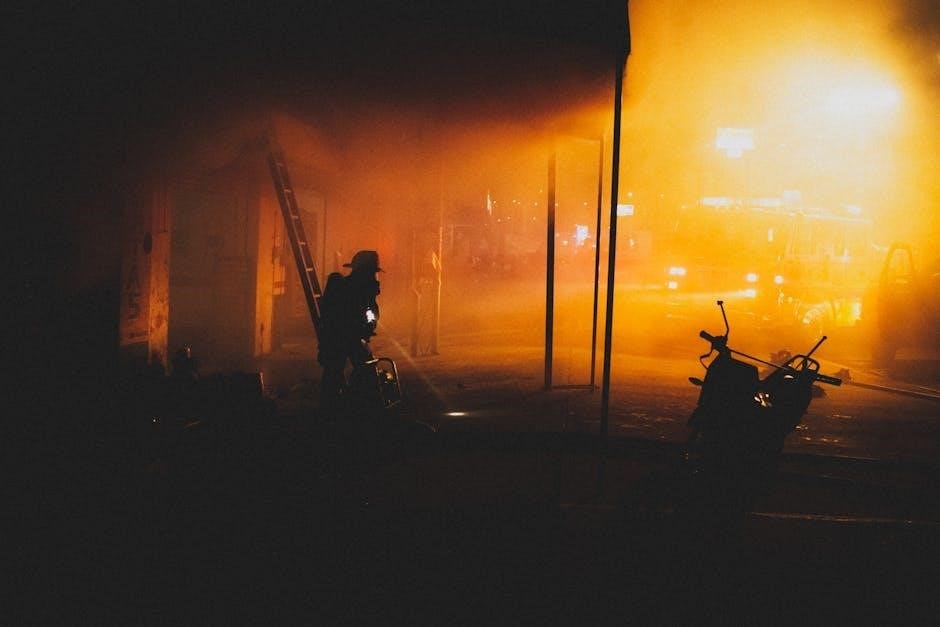
Industrial environments‚ often with complex layouts‚ benefit from strategically placed pull stations. Healthcare facilities‚ such as hospitals and nursing homes‚ prioritize patient safety with easily identifiable and accessible pull stations. Public transportation hubs‚ like airports and train stations‚ utilize them to address potential fire hazards efficiently‚ safeguarding travelers and personnel.
Impact of Fire on Ecological Systems
While fire alarm systems‚ including manual pull stations‚ aim to prevent large-scale fires‚ understanding fire’s ecological role is crucial. Fire‚ in its natural form‚ profoundly impacts land-based ecosystems globally‚ presenting both destructive and regenerative consequences. Conflagrations can cause permanent physical damage to habitats‚ impacting biodiversity and wildlife populations.
However‚ fire also plays a vital role in nutrient cycling‚ seed germination‚ and maintaining ecosystem health. Certain plant species are adapted to fire‚ relying on it for reproduction or to eliminate competition. Controlled burns‚ often initiated after alarm system response‚ are used to manage forests and grasslands‚ reducing fuel loads and promoting biodiversity. Ultimately‚ minimizing uncontrolled fires through systems like pull stations protects these delicate ecological balances.
Resources for Further Information
For in-depth knowledge regarding fire alarm manual stations and related fire safety protocols‚ several resources are readily available. Herbertwilliams.com provides insights into automated and manual fire suppression systems‚ highlighting the role of pull stations. The National Training Center offers information on initiating device requirements as dictated by the International Building Code (IBC)‚ specifically Section 907.
Wilson Fire Equipment is a valuable source for understanding the different types of pull stations – single and dual action – and their applications. Additionally‚ exploring resources on wildland fire mapping can provide context on the broader impact of fire. Consulting the IBC directly and engaging with qualified fire safety professionals are also recommended for comprehensive understanding and compliance.

Comments