Manual Sliding Driveway Gates: A Comprehensive Guide
Manual sliding driveway gates offer a robust security solution, blending affordability with practicality for homeowners seeking controlled access.
These gates, unlike their automated counterparts, rely on physical effort for operation, presenting a cost-effective alternative for securing properties.
Choosing a manual gate provides a balance between security enhancements and budgetary constraints, particularly appealing in areas where automation isn’t essential.
What are Manual Sliding Driveway Gates?
Manual sliding driveway gates are a traditional security feature for properties, operating without the need for electricity or automated mechanisms.
Unlike automatic gates, these rely entirely on physical force to open and close, making them a dependable choice even during power outages.
These gates consist of a gate panel that moves horizontally along a track, typically mounted above the driveway opening. The track system ensures smooth and consistent movement, while robust rolling hardware supports the gate’s weight.
They are commonly constructed from materials like wrought iron, aluminum, steel, or wood, each offering varying levels of durability, aesthetics, and cost.
The design allows for a significant opening width without swinging into the property, making them ideal for limited spaces.
Essentially, a manual sliding gate provides a secure barrier controlled directly by the homeowner, offering a straightforward and reliable access control solution.
Benefits of Choosing a Manual Sliding Gate
Opting for a manual sliding gate presents several advantages, primarily centered around cost-effectiveness and reliability. The initial investment is significantly lower compared to automated systems, as there are no motors, sensors, or complex control panels to purchase. Installation costs are also reduced, potentially allowing for a DIY approach.
Furthermore, manual gates eliminate the reliance on electricity, ensuring functionality during power outages – a crucial benefit for security. They also require minimal maintenance, primarily involving lubrication and hardware checks, reducing long-term expenses.
Manual gates offer a heightened sense of control and security, as operation is directly managed by the homeowner; They are a practical solution for properties where automation isn’t necessary or desired, providing a robust and dependable access control method.
They are a great alternative to expensive automatic systems.
Manual vs. Automatic Sliding Gates: Key Differences

The fundamental distinction between manual and automatic sliding gates lies in their operation. Manual gates require physical effort to open and close, while automatic gates utilize motors and automation systems for effortless control. This translates to a significant price difference, with manual gates being considerably more affordable – often around $800 versus $5,000+ for automated systems.
Automatic gates offer convenience and speed, particularly beneficial for frequent use or larger properties. However, they are susceptible to power outages and require regular maintenance of electrical components. Manual gates, conversely, remain functional regardless of power supply and demand less upkeep.
Security features also differ; while both can be secured with locks, automatic gates may include advanced access control options. Ultimately, the choice depends on budget, convenience preferences, and security needs.
Cost Considerations for Manual Sliding Gates
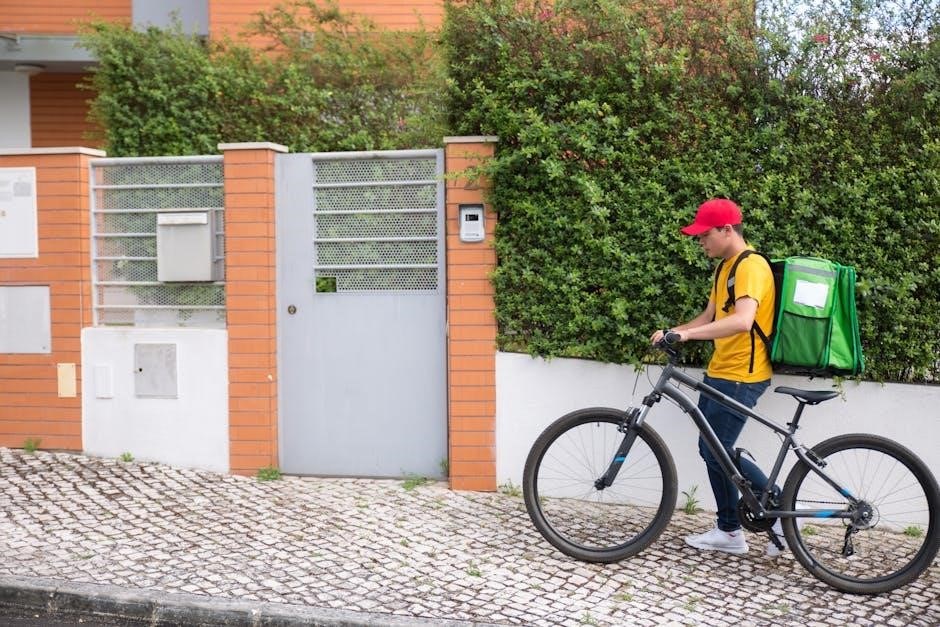
Evaluating expenses involves initial material purchases, potential installation fees (DIY versus professional), and ongoing maintenance to ensure longevity and smooth operation of the gate.
Initial Purchase and Material Costs
Determining the upfront investment for a manual sliding gate hinges significantly on the chosen material and gate dimensions. Wrought iron, known for its durability and aesthetic appeal, typically represents the higher end of the cost spectrum, potentially reaching several thousand dollars for a custom design.
Aluminum offers a more budget-friendly option, prized for its lightweight nature and resistance to corrosion, with costs generally falling between $800 and $2,000. Steel provides a balance between strength and affordability, often costing around $1,500. Wood, while offering a classic look and customization possibilities, can vary widely in price depending on the wood type and complexity of the design.
Beyond the gate itself, essential materials include the sliding gate track, rolling hardware, gate latches, and posts, adding to the overall initial expenditure. As of late 2025, expect to allocate a substantial portion of the budget to these components, ensuring quality and longevity.
Installation Costs: DIY vs. Professional
The decision between DIY installation and hiring a professional significantly impacts the overall cost of a manual sliding gate. While a DIY approach can save on labor, it demands considerable physical effort, technical skill, and adherence to safety standards – a task not always permissible due to compliance regulations.
Professional installation, though more expensive, ensures proper alignment, secure mounting, and smooth operation. Labor costs typically range from $30 to $80 per hour, potentially adding several hundred dollars to the project. A complete professional installation, including materials and labor, can easily exceed $2,500, depending on the gate’s complexity and location.
Considering the potential for errors and the importance of safety, especially with heavy gate components, professional installation is often the recommended route, despite the higher upfront cost. It guarantees a secure and functional gate system.
Long-Term Maintenance Costs
Maintaining a manual sliding gate involves ongoing costs to ensure smooth operation and longevity. Regular lubrication of moving parts – rollers, hinges, and the track – is crucial, requiring a small investment in lubricants a few times a year. Rust prevention is also vital, particularly for wrought iron or steel gates, necessitating periodic cleaning and protective coating applications.
Inspecting and tightening hardware, like bolts and screws, should be done routinely to prevent loosening and potential safety hazards. Depending on the material, wood gates may require staining or sealing to protect against weather damage. While generally lower than automated gates, these cumulative maintenance costs can add up over time.
Proactive maintenance minimizes the risk of costly repairs or replacements, extending the gate’s lifespan and preserving its functionality.

Materials Used in Manual Sliding Gate Construction
Manual sliding gates commonly utilize wrought iron, aluminum, steel, or wood, each offering unique benefits. Material selection impacts durability, aesthetics, and overall cost considerations for homeowners.
Choosing the right material ensures a secure and visually appealing entrance, tailored to individual property styles and budgets.
Wrought Iron: Durability and Aesthetics
Wrought iron stands as a premier material for manual sliding gates, celebrated for its exceptional strength and timeless elegance. This classic choice offers unparalleled durability, resisting both forceful impacts and the corrosive effects of weather, ensuring a long service life with minimal maintenance.
The inherent aesthetic appeal of wrought iron allows for intricate designs, enhancing a property’s curb appeal and creating a sophisticated entrance. Customization options are extensive, ranging from simple, robust designs to ornate, decorative patterns, catering to diverse architectural styles.

However, wrought iron gates typically represent a higher initial investment compared to aluminum or wood alternatives. While the long-term durability often offsets this cost, homeowners should factor in the material’s weight, potentially requiring robust support structures during installation. Professional installation is often recommended to ensure proper alignment and smooth operation.
Despite the higher upfront cost, wrought iron’s enduring quality and aesthetic value make it a favored choice for discerning homeowners.
Aluminum: Lightweight and Corrosion-Resistant
Aluminum presents a compelling alternative for manual sliding gates, particularly valued for its exceptional corrosion resistance and lightweight nature. Unlike wrought iron or steel, aluminum doesn’t rust, making it ideal for climates with high humidity or exposure to saltwater, minimizing long-term maintenance needs.
The lighter weight of aluminum simplifies installation, potentially reducing labor costs and the need for heavy-duty support structures. This characteristic also contributes to smoother gate operation, requiring less effort to slide open and closed manually.
While aluminum doesn’t offer the same inherent strength as wrought iron, modern aluminum alloys provide substantial rigidity and durability. It’s also readily customizable, available in various colors and finishes, and can even mimic the appearance of more expensive materials.
Aluminum strikes a balance between affordability, ease of use, and longevity, making it a practical choice for many homeowners.
Steel: Strength and Affordability
Steel stands out as a popular material for manual sliding gates due to its impressive strength and relatively affordable cost. Offering a robust barrier against potential intruders, steel gates provide a high level of security for residential properties. Its inherent durability ensures longevity, even with regular manual operation and exposure to the elements.
Compared to wrought iron, steel generally presents a more budget-friendly option without significantly compromising structural integrity. However, steel is susceptible to rust if not properly treated and maintained. Regular painting or galvanization is crucial to prevent corrosion and extend the gate’s lifespan.
Steel gates can be customized with various designs and finishes, though they may require more frequent upkeep than aluminum alternatives. The combination of strength, cost-effectiveness, and customization options makes steel a practical choice for many homeowners.
Proper maintenance is key to maximizing the benefits of a steel manual sliding gate.
Wood: Classic Look and Customization
Wood offers a timeless aesthetic for manual sliding driveway gates, providing a classic and inviting appearance that complements various architectural styles. Its natural beauty and warmth create a welcoming entrance, enhancing the curb appeal of any property. Wood’s inherent workability allows for extensive customization, enabling homeowners to achieve unique designs and intricate details.
However, wood requires significantly more maintenance than materials like steel or aluminum. Regular sealing, staining, or painting is essential to protect against rot, warping, and insect damage. Exposure to the elements can necessitate frequent upkeep to preserve the gate’s structural integrity and appearance.

Despite the maintenance demands, the ability to personalize a wood gate and achieve a truly bespoke look makes it a desirable choice for those prioritizing aesthetics and customization. Careful selection of wood type and diligent maintenance are crucial for a long-lasting, beautiful gate.
Consider the long-term commitment to upkeep when choosing a wood gate.
Installation Process: A Step-by-Step Overview
Installing a manual sliding gate involves careful foundation preparation, track installation, frame mounting, and hardware attachment for smooth, secure operation.
Professional installation ensures safety and proper functionality.
Preparing the Driveway and Foundation
Proper foundation preparation is crucial for a long-lasting manual sliding gate installation. Begin by carefully assessing the driveway surface, ensuring it’s level and capable of supporting the gate’s weight and operational forces. Excavation may be necessary to create a solid base for the track and support posts, typically involving concrete footings extending below the frost line.
Accurate measurements are essential to determine the gate’s path and ensure sufficient clearance. The foundation must be robust enough to withstand repeated sliding actions and potential impacts. Reinforcing the concrete with rebar is highly recommended for increased stability.
Consider drainage to prevent water accumulation, which can compromise the foundation’s integrity. A well-prepared foundation guarantees smooth gate operation and minimizes the risk of future settling or misalignment, ultimately extending the gate’s lifespan.
Installing the Sliding Gate Track
Precise track installation is paramount for smooth and reliable manual sliding gate operation. Begin by securely mounting the track to the prepared foundation, ensuring it’s perfectly level and aligned with the gate’s intended path. Use appropriate anchors and fasteners suitable for the foundation material – concrete screws are often preferred.
The track must be robust enough to bear the gate’s weight and withstand lateral forces. Regularly check for levelness during installation, utilizing a spirit level for accuracy. Proper spacing between track sections is vital to prevent binding or obstruction.
Consider using shims to fine-tune the track’s alignment if necessary. A correctly installed track guarantees effortless gate movement and prevents premature wear on the rolling hardware, contributing to the gate’s longevity.
Mounting the Gate Frame and Panels
Securely attaching the gate frame to the rolling hardware is a critical step. Ensure the frame is perfectly square before proceeding, utilizing clamps to maintain alignment during the mounting process. Attach the rollers to the frame, verifying they engage smoothly with the installed track;
Once the frame is ready, carefully lift and position it onto the track. Panels can then be affixed to the frame, utilizing appropriate welding techniques for wrought iron or robust fasteners for aluminum, steel, or wood.
Double-check all connections for tightness and stability. A well-mounted frame and panels guarantee structural integrity and prevent sagging or misalignment, ensuring long-term functionality and aesthetic appeal.
Adding the Rolling Hardware and Guides
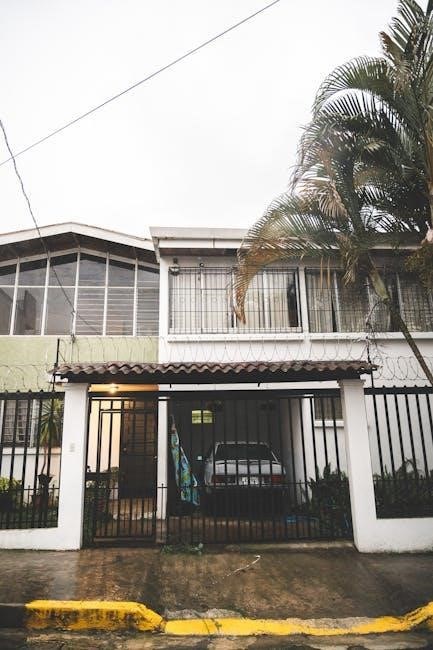
Installing the rolling hardware is paramount for smooth gate operation. Begin by securely attaching the rollers to the gate frame, ensuring they are evenly spaced and aligned with the track. These rollers bear the gate’s weight, so robust mounting is essential.
Next, install the track guides – vertical components that prevent the gate from swaying. These guides should be precisely aligned to maintain a stable sliding motion. Proper alignment minimizes friction and prevents the gate from derailing.
Regularly inspect these components for wear and tear. Lubrication is key to ensuring effortless sliding. A well-installed rolling hardware system guarantees years of reliable, manual gate functionality.
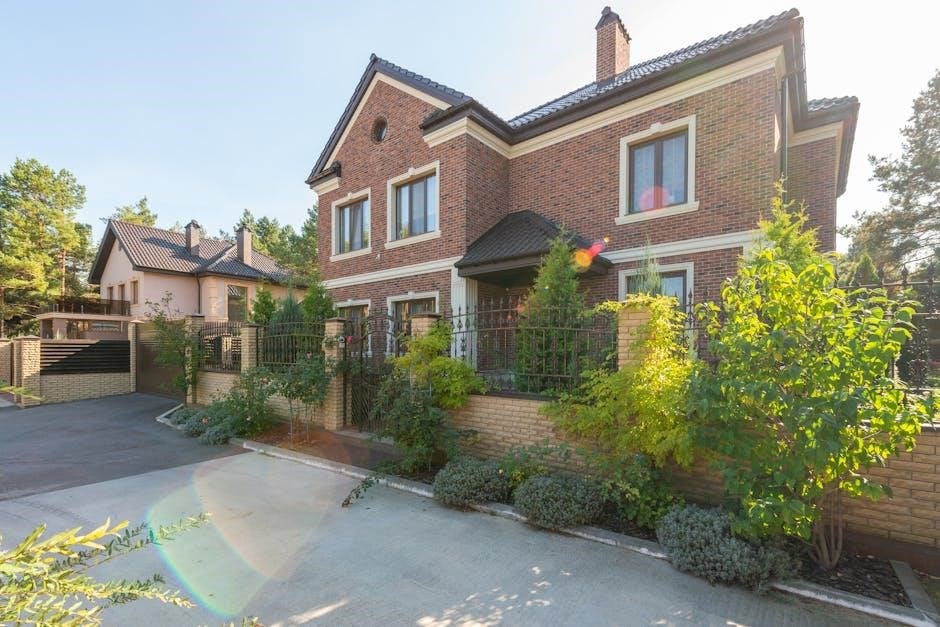
Safety Features and Considerations
Prioritizing safety with manual sliding gates involves secure latches, clear visibility, and preventing obstructions for smooth operation, ensuring pedestrian access and overall security.
Gate Latches and Locking Mechanisms
Robust gate latches are paramount for the security offered by manual sliding gates, acting as the primary deterrent against unauthorized access. Several options exist, ranging from simple spring-loaded latches to more complex locking mechanisms designed to resist forced entry.
Consider padlock compatibility for enhanced security, allowing for an additional layer of protection. Heavy-duty latches constructed from galvanized steel or wrought iron are recommended for durability and resistance to corrosion. Regularly inspect latches for wear and tear, ensuring smooth operation and secure engagement.
Beyond basic latches, explore options like cane bolts or drop rods for increased security, particularly for gates requiring a higher level of protection. Proper installation is crucial; latches must align correctly and be securely mounted to the gate frame and receiving post. A well-chosen and maintained latch system is a fundamental component of a secure manual sliding gate.
Visibility and Pedestrian Access
Maintaining clear visibility through and around a manual sliding gate is crucial for safety and convenience. Avoid gate designs that completely obstruct the view of approaching vehicles or pedestrians, potentially creating hazardous situations. Consider incorporating design elements like wrought iron with open patterns to maximize visibility.
Dedicated pedestrian access alongside the sliding gate is highly recommended, eliminating the need to open the entire gate for foot traffic. A separate pedestrian gate, or a dedicated opening within the sliding gate’s structure, provides convenient access without compromising security.
Ensure adequate lighting around the gate area, particularly if visibility is limited during nighttime hours. This enhances safety for both drivers and pedestrians, and can also deter potential intruders. Prioritizing visibility and pedestrian access contributes to a functional and secure entryway.
Preventing Obstructions and Ensuring Smooth Operation
Regularly clear the track of debris like leaves, snow, and gravel to guarantee smooth sliding gate operation. Obstructions can cause the gate to bind, requiring excessive force to move, and potentially damaging the rolling hardware. Consistent maintenance is key to preventing operational issues.
Inspect the gate’s path for any potential obstructions, such as overgrown vegetation or parked vehicles. Ensure sufficient clearance along the entire travel distance of the gate. Addressing these issues proactively prevents frustrating delays and potential damage.
Lubricate the rolling hardware and track regularly, as outlined in the maintenance section, to minimize friction and ensure effortless movement. A well-maintained gate operates smoothly and extends its lifespan, reducing the need for costly repairs.
Maintenance and Upkeep
Consistent care extends the life of your manual sliding gate; regular lubrication, rust prevention, and hardware checks are vital for smooth, secure operation.
Proactive upkeep minimizes repairs and ensures long-term reliability, safeguarding your property’s access point.
Regular Lubrication of Moving Parts
Consistent lubrication is paramount for the effortless operation of your manual sliding gate, directly impacting its longevity and preventing frustrating operational issues. The track, rollers, and hinges are the primary areas demanding attention, as friction in these components can lead to sticking, squeaking, and ultimately, increased wear and tear.
Employ a high-quality, weather-resistant lubricant – silicone-based sprays or lithium grease are excellent choices – and apply it liberally to all moving parts at least twice annually, or more frequently in harsh climates. Before application, thoroughly clean the areas to remove dirt and debris, ensuring the lubricant reaches the metal surfaces effectively. Avoid using oil-based lubricants, as they tend to attract dust and grime, exacerbating the problem over time.
Pay particular attention to the gate’s rolling mechanism, ensuring the rollers move freely along the track. Proper lubrication not only eases operation but also reduces the physical effort required to open and close the gate, enhancing user convenience and minimizing strain on the gate’s structure.
Rust Prevention and Treatment
Rust is a significant threat to the structural integrity of manual sliding gates, particularly those constructed from steel or wrought iron. Proactive prevention is crucial, beginning with a robust protective coating applied during installation – galvanization, powder coating, or high-quality exterior paint are all effective options. Regularly inspect the gate for any signs of corrosion, such as discoloration or flaking paint.
Addressing rust promptly is vital to prevent further damage. Remove loose rust with a wire brush or sandpaper, then thoroughly clean the area. Apply a rust converter to neutralize remaining corrosion before priming and repainting with a rust-inhibitive paint. For aluminum gates, while rust isn’t a concern, corrosion can still occur; cleaning and applying a protective sealant will maintain its appearance and durability.
Consistent maintenance, including washing the gate periodically to remove salt and debris, will significantly extend its lifespan and preserve its aesthetic appeal, safeguarding your investment against the elements.
Inspecting and Tightening Hardware
Regular hardware inspections are paramount for ensuring the smooth and safe operation of your manual sliding gate. Focus on the rollers, track, hinges, and locking mechanisms. Check for loose bolts, screws, and nuts, as vibration from use can cause them to loosen over time. A wobbly gate or difficulty sliding indicates a tightening need.
Lubricating the moving parts simultaneously with tightening will enhance performance. Use a silicone-based lubricant to avoid attracting dirt and grime. Inspect the gate’s guides and ensure they are free of debris. Pay close attention to the gate latch and locking mechanisms, verifying they engage and disengage easily and securely.
Addressing minor hardware issues promptly prevents them from escalating into costly repairs. A proactive approach to inspection and tightening extends the gate’s lifespan and maintains its security features, providing lasting peace of mind;

Cost Breakdown (Based on 2025 Data)
In 2025, manual sliding gate costs range from $800 to $5,000, depending on materials and size. Labor averages $30-$80/hour, impacting total installation expenses.
Typical Cost Range for a Manual Sliding Gate (Western Wayne County MI & Chicago Suburbs)
For homeowners in Western Wayne County, Michigan, and the Chicago suburbs, the cost of a manual sliding gate varies significantly based on several key factors. A basic, single-car width manual gate, constructed from standard materials, can start around $800. This typically covers the gate itself and essential hardware, but doesn’t include professional installation.
However, more elaborate designs, utilizing wrought iron or requiring custom fabrication, can easily exceed $2,500. Reddit discussions indicate that opting for an electronic gate in these areas can run approximately $5,000, highlighting the substantial savings achievable with a manual option. The choice between a manual and automatic system often hinges on budget and desired convenience.
Remember that these figures represent estimates, and actual costs will depend on the specific gate dimensions, material selection, and any site preparation work required. Obtaining quotes from local gate installers is crucial for accurate pricing.
Labor Costs (Average $30-$80/hour)
Professional installation of a manual sliding gate typically involves labor costs ranging from $30 to $80 per hour, as reported by industry sources. The total labor expense depends heavily on the complexity of the installation, site conditions, and the installer’s experience. A straightforward installation on a level surface might require 8-16 hours of labor, while more challenging projects could easily exceed 24 hours.
Factors increasing labor time include significant site preparation, such as concrete work for the foundation or track, and any necessary modifications to existing landscaping. It’s essential to obtain detailed quotes from multiple contractors, outlining the scope of work and estimated labor hours.
Remember to clarify whether the quote includes all associated costs, like travel and cleanup, to avoid unexpected charges. Skilled labor ensures proper gate alignment and functionality.
Material Cost Estimates (2025)
In 2025, material costs for a manual sliding gate vary significantly based on the chosen material and gate size. Wrought iron gates, known for their durability and aesthetic appeal, typically range from $1,500 to $4,000 for materials alone. Aluminum gates, a lighter and corrosion-resistant option, generally cost between $800 and $2,500. Steel provides a balance of strength and affordability, with material costs falling between $1,000 and $3,000.
Wood gates, offering a classic look and customization options, can range from $500 to $2,000, depending on the wood type and design complexity. Additional material expenses include the sliding gate track ($200-$500), rolling hardware ($100-$300), and locking mechanisms ($50-$200). These estimates are approximate and subject to regional price fluctuations.
Comments